2026-09-24 · 7 min read · Dublin
Pre-Qualified vs. Pre-Approved: Why Your Letter Might Be Costing You Offers in the Tri-Valley

The Short Version
Short answer: A pre-qualification is a lender's rough guess based on what you told them. A pre-approval means the lender actually checked your credit, income, and assets. In a competitive market like Dublin, Pleasanton, San Ramon, and Livermore, sellers and their agents know the difference. If you're writing offers with a pre-qualification letter, you're asking a seller to bet their sale on a guess.
Cornerstone Real Estate Team, Jameel Batshon and Ramez Bahu, is a real estate team in Dublin, California helping Tri-Valley buyers write offers sellers take seriously. Jameel started his career in mortgage lending in 2002, before he ever got his real estate license, so we look at a buyer's letter the way a lender does, not just the way an agent does.
Here's what each letter actually means, how to get the right one, and the mistakes that knock buyers out of the running.
What Is a Pre-Qualification, Really?
A pre-qualification is usually a quick conversation or online form. You tell the lender roughly what you make, what you owe, and what you have saved. The lender runs the numbers and says, "Based on what you told us, you could probably borrow around this much."
That's useful for one thing: getting a ballpark before you start looking. But notice the words "what you told us." In many cases, nobody has pulled your full credit, looked at a pay stub, or read a bank statement yet.
What Makes a Pre-Approval Different?
A pre-approval means the lender did the work. They typically:
- Pull your credit
- Review your pay stubs, W-2s, and tax returns
- Look at your bank and investment statements to confirm your down payment and reserves
- Check your debts against your income
Once that's done, the letter says the lender has reviewed your actual file and expects to lend you a specific amount, as long as the home appraises and nothing changes.
Some lenders go a step further and have an underwriter review your file before you've even found a home. That's often called a fully underwritten or "to-be-determined property" approval. It's the strongest letter a financed buyer can hand a seller, because most of the hard questions have already been answered.
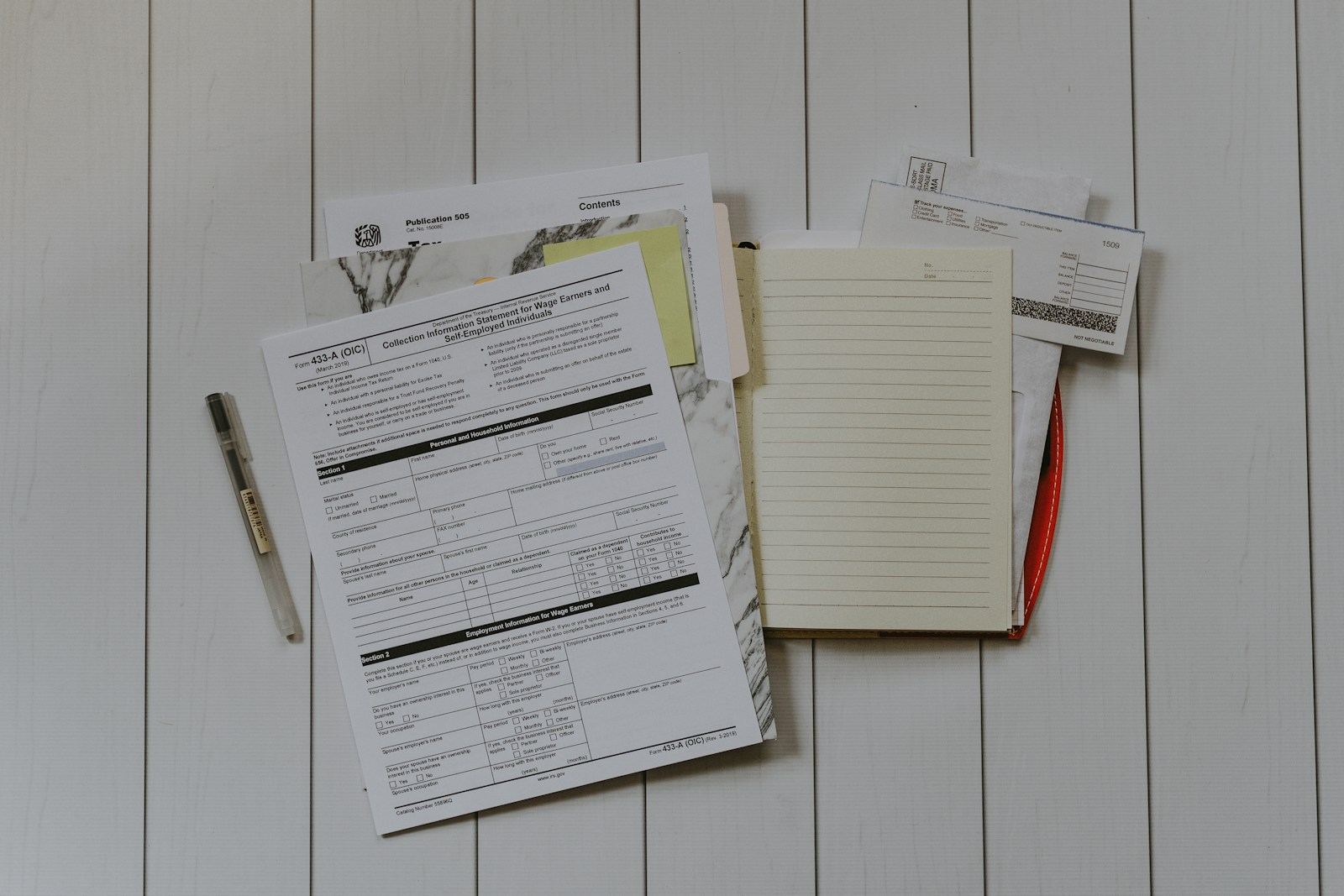
Why Do Sellers Care So Much About Which Letter You Have?
Put yourself in the seller's shoes. They're choosing between offers, and they're about to take their home off the market for weeks. If your financing falls apart halfway through escrow, they lose time, momentum, and sometimes the other buyers who were interested.
So a good listing agent looks past the price. They'll look at who your lender is, what kind of letter you have, and often pick up the phone and call your lender directly. A vague pre-qualification from a lender nobody can reach looks risky. A verified pre-approval from a responsive local lender looks like a buyer who will actually close.
When you're competing with cash buyers, this matters even more. You can't make your financing disappear, but you can make it look as close to certain as possible.
Step 1: Talk to a lender before you tour homes seriously
Don't wait until you find "the one." By then you're rushing, and rushed files are where problems hide. Get your file in front of a lender while you're still browsing.
Step 2: Gather your documents up front
Lenders commonly ask for:
- Your last two years of W-2s and federal tax returns
- Your most recent 30 days of pay stubs
- Your last two months of bank and investment statements (all pages)
- A photo ID
- If you're self-employed: two years of business tax returns and a year-to-date profit and loss statement
- If someone is gifting you part of the down payment: a gift letter and proof of where the money came from
Your lender may ask for more or less, but having these ready speeds everything up.
Step 3: Ask for a full pre-approval, not just a pre-qual
Use the words. Ask your lender, "Have you reviewed my documents and pulled my credit? Can an underwriter look at my file before I make an offer?" If the answer is no, you have a pre-qualification, no matter what the letter says at the top.

Step 4: Ask for a letter matched to each offer
If you're approved up to $1.4 million and you offer $1.25 million, you don't necessarily want the seller seeing your ceiling. Many lenders will issue a letter for the exact offer amount. Ask yours if they can turn one around quickly, including on weekends.
Step 5: Make sure your lender picks up the phone
The listing agent may call your lender before responding to your offer. A lender who answers, knows your file, and can say "this buyer is solid" can be the difference between two similar offers.
Step 6: Keep your file clean until closing
A pre-approval is a snapshot. It only holds up if your finances look the same at closing as they did when you were approved. More on that below.
What Are the Most Common Mistakes Buyers Make?
Treating the pre-qual like a pre-approval. This is the big one. The letter might look official, but if nobody verified your income and assets, the seller's agent may figure that out with one phone call.
Using a lender nobody can reach. Online-only lenders can work well, but if the listing agent can't get anyone on the phone on a Saturday, your offer can sit while others move forward.
Buying a car or opening a new card before closing. New debt can change your debt-to-income ratio and shake your approval loose. Hold off on big purchases until you have the keys.
Changing jobs mid-process. Even a raise can cause delays if it changes how your income is calculated. Talk to your lender before making any job move.
Moving money around without a paper trail. Large deposits that can't be explained often need documentation. If family is helping with your down payment, tell your lender early and follow their instructions on how to transfer it.
Letting the letter expire. Pre-approvals don't last forever. If you've been shopping for a while, check the date on yours and ask your lender to refresh it before you write.
What Does This Look Like in Real Life?
These are examples to show how this plays out, not specific client stories.
The online pre-qual. Say a first-time buyer writes an offer on a Dublin townhome with a letter from an online form they filled out in ten minutes. The listing agent calls the number on the letter, gets a call center, and nobody can confirm anything about the buyer's file. Another buyer with a verified pre-approval at a slightly lower price gets the house.
The fully underwritten file. A move-up family in Pleasanton has their lender run their file through underwriting before they start touring. When they find the right home, their agent tells the listing agent the file has already been reviewed by an underwriter. That buyer is now in a much stronger spot, even against a bigger offer with weaker financing.
The new car. A San Ramon buyer gets pre-approved, gets into contract, and then buys a new SUV a week before closing because "the loan is already approved." The new payment changes their numbers, the lender has to re-review the file, and closing gets pushed. Everyone survives, but the seller's trust takes a hit, and in a tighter deal it could have cost the house.
Does Any of This Change in the Tri-Valley?
The rules are the same everywhere, but a few things make it matter more here:
- Price points are high. At Tri-Valley prices, many buyers are borrowing jumbo loan amounts, which often means more documentation and a closer look at reserves. Getting started early matters.
- Cash buyers are in the mix. A financed offer has to look as reliable as possible to compete.
- Newer homes can carry extra costs. Mello-Roos taxes and HOA dues count toward what you qualify for. If you're looking at newer construction in East Dublin, San Ramon, or Livermore, make sure your lender is using the real numbers. (See What Is Mello-Roos, and Why Is Your Tax Bill Higher Than Your Neighbor's?)
Frequently Asked Questions
Does getting pre-approved hurt my credit?
A pre-approval usually involves a credit check, which can cause a small, temporary dip. Credit scoring models generally treat several mortgage checks within a short shopping window as a single inquiry, so compare lenders within a few weeks of each other. Ask your lender how they handle it.
How long does a pre-approval take?
If your documents are ready, a basic pre-approval can move quickly. A fully underwritten approval takes longer because an underwriter has to review the file. Start early so you're not waiting when the right home comes up.
Is a pre-approval a guarantee I'll get the loan?
No. The home still has to appraise, and your finances have to stay the same through closing. But a real pre-approval removes most of the surprises.
Can I get pre-approved with more than one lender?
Yes, and comparing rates and fees is smart. Just keep it within a short window, and pick one lender to put on your offers so the listing agent knows who to call.
Should I show the seller my maximum approval amount?
Usually not. Ask your lender for a letter that matches your offer price so you're not showing your ceiling.
What if I'm self-employed?
You can absolutely get approved, but expect more paperwork, usually two years of business returns and a current profit and loss statement. Give yourself extra time.
The Bottom Line
A pre-qualification tells you what you might be able to borrow. A pre-approval tells a seller you can actually close. In the Tri-Valley, that difference can decide whether your offer gets taken seriously.
Cornerstone Real Estate Team, Jameel Batshon and Ramez Bahu, is a real estate team in Dublin, California helping Tri-Valley buyers write offers sellers take seriously. Since 2005, we've helped with nearly 2,000 transactions, and with Jameel's lending background, reading a pre-approval letter is second nature.
Not sure which letter you have? Send it to us and we'll tell you. Get in touch with Cornerstone or call 925-203-5672. Let's get you home.
More on our site:
- First-time buyers in Dublin
- Buying a home in Pleasanton
- Trading up in San Ramon
- Buying a home in Livermore
Related reading:
- The Tri-Valley Market Is Shifting: What It Actually Means If You're Buying Right Now
- What Is Mello-Roos, and Why Is Your Tax Bill Higher Than Your Neighbor's?
We're real estate agents, not lenders. This article is general education, not lending advice. Talk to a licensed loan officer about your specific situation.